Called to Serve: Five Ways Missourians Can Live Jesuit Values Through Volunteer Service
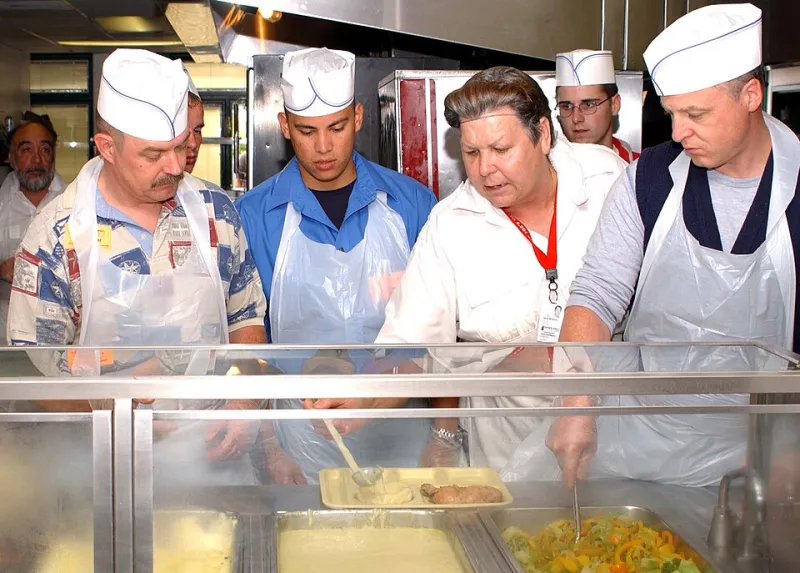
Photo: U.S. Navy photo by Photographer’s Mate Airman Rayma Cooley, Public domain, via Wikimedia Commons
St. Ignatius of Loyola did not conceive of service as an obligation to be discharged. He understood it as an encounter — a meeting between two human beings in which God was present to both. This conviction, embedded in the phrase finding God in all things, remains the animating spirit of Jesuit-inspired service work today. For Missourians seeking to deepen their faith through action, the state offers a rich landscape of opportunities that embody this tradition.
What follows is not merely a list of volunteer programs. It is an invitation to consider service as spiritual formation — a practice that reshapes the one who serves as surely as it benefits the one who receives.
1. Literacy and Tutoring Programs Through Jesuit-Affiliated Education Initiatives
The Opportunity: Several Jesuit-affiliated educational institutions in Missouri partner with urban literacy programs, offering trained volunteers the chance to work one-on-one with adults and children developing foundational reading and writing skills. Programs operating in the St. Louis and Kansas City areas welcome volunteers on flexible schedules, making this an accessible option for working adults and students alike.
The Formation: There is a particular quality of attention required in literacy tutoring that mirrors the Ignatian practice of cura personalis — care for the whole person. A volunteer who sits with a struggling reader is not merely transferring a skill. They are communicating, through sustained and patient presence, that this person's growth matters. Many tutors report that the experience recalibrates their understanding of privilege, patience, and the relationship between education and dignity. In Ignatian terms, the tutor is changed by the encounter as much as the student.
Getting Involved: Contact your local Jesuit parish or university outreach office for referrals to vetted literacy programs in your region of Missouri.
2. Food Security Ministries at Urban Parish Networks
The Opportunity: Across Missouri's urban centers, parish-based food pantries and community meal programs — many operating within the broader network of Catholic social services — depend heavily on consistent volunteer labor. These programs do far more than distribute groceries. They function as community anchors, providing dignified, relational encounters for individuals and families experiencing food insecurity.
The Formation: Volunteering in a food ministry places participants in direct contact with the structural realities of poverty — a confrontation that the Jesuit tradition actively seeks rather than avoids. Ignatius himself spent time among the poor before founding the Society of Jesus, and he understood that proximity to suffering was itself a form of education. Volunteers in these settings frequently describe a growing awareness of the systemic dimensions of hunger, alongside a deepened sense of gratitude for their own circumstances. The work is humbling in the most constructive sense of that word.
Getting Involved: Missouri's Catholic Charities regional offices maintain updated listings of food ministry volunteer needs. Many programs welcome both individual and group volunteers.
3. Jesuit Volunteer Corps: A Full-Year Commitment to Immersive Service
The Opportunity: For those in a position to make a more substantial commitment, the Jesuit Volunteer Corps (JVC) places volunteers — typically recent college graduates, though not exclusively — in full-time service roles with nonprofits and social service organizations across the country, including placements in Missouri. Volunteers live in intentional community, receive a modest stipend, and engage in regular reflection guided by Ignatian principles.
The Formation: The JVC is perhaps the most explicitly formative service structure available within the Jesuit tradition. Participants do not simply volunteer; they inhabit a structured way of life organized around the four JVC values of social justice, simple living, community, and spirituality. The experience is deliberately disorienting in ways that produce growth — stripping away the comforts and habits that can insulate a person from genuine encounter with others. Alumni of the program consistently describe it as among the most consequential experiences of their lives, not because it was easy, but because it was honest.
Getting Involved: Information about JVC applications, placement sites, and eligibility is available through the national Jesuit Volunteer Corps website. Missouri-based applicants are encouraged to seek guidance from local Jesuit community contacts.
4. Environmental Stewardship and Creation Care Initiatives
The Opportunity: Rooted in Pope Francis's encyclical Laudato Si' and increasingly embraced by Missouri's Jesuit communities, environmental stewardship programs offer volunteers the chance to participate in conservation work, urban greening projects, river cleanup efforts, and community garden initiatives across the state. Organizations partnering with faith communities in this space are active along the Missouri and Mississippi River corridors and in several urban neighborhoods.
The Formation: Care for creation occupies a distinctive place in contemporary Ignatian spirituality. The conviction that God is encountered in the natural world — that rivers, forests, and soil are themselves bearers of divine presence — gives environmental service a contemplative dimension that distinguishes it from purely civic volunteerism. Participants in these programs often report an awakened sense of wonder alongside a sharper awareness of the moral dimensions of environmental degradation. Service here is also prayer.
Getting Involved: Missouri's Ignatian Solidarity Network chapter and several Jesuit university sustainability offices maintain partnerships with environmental organizations. Inquire through your parish or campus ministry for current opportunities.
5. Accompaniment and Advocacy for Immigrant and Refugee Communities
The Opportunity: Missouri is home to significant immigrant and refugee populations, particularly in the St. Louis and Kansas City metropolitan areas. Jesuit-affiliated organizations and parishes in these cities offer volunteer roles ranging from English-language conversation practice and resettlement assistance to legal accompaniment and community advocacy. No specialized expertise is required for many of these roles — only a willingness to show up consistently.
The Formation: The Jesuit tradition has always understood mission as movement toward the margins. Accompaniment ministry — the practice of walking with vulnerable individuals through difficult circumstances without seeking to direct or control the outcome — is one of the most demanding and most rewarding forms of service available. It requires volunteers to surrender the satisfaction of visible results and to trust that faithful presence is itself a form of witness. Those who have engaged in this work describe a profound expansion of their understanding of courage, resilience, and what it means to belong to a community.
Getting Involved: Contact Jesuit Social Research Institute affiliates in Missouri, or reach out to Catholic Charities immigration services offices in St. Louis or Kansas City for current volunteer needs.
Service as Spiritual Practice
The five opportunities described above are not interchangeable. Each engages a different dimension of Missouri's social landscape, and each offers a distinct form of spiritual encounter. What they share is a common foundation: the Ignatian conviction that genuine service requires genuine presence — not the performance of charity, but the risk of relationship.
For Missourians seeking to integrate faith and action, the question is not which program to choose, but which encounter God is calling them toward. The work of discernment, as always, begins with honest attention to one's own gifts, limitations, and longings — and with the willingness to be changed by what one finds.
Service, in this tradition, is never the end of the story. It is where the story deepens.